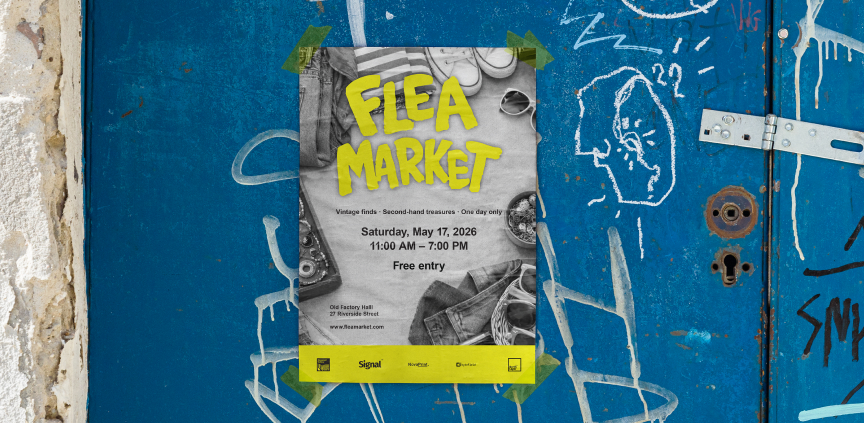
In digital channels, brands often get lost in a flood of banners and newsletters. In contrast, paper in hand feels personal and direct. A well-designed flyer grabs attention, clearly says, “what, where, when” and drives action. How do you create an original flyer that doesn’t end up in the bin? Here are 4 tips that work.
1. Grab attention visually, but keep it balanced
Well-chosen colours, illustrations, or photography catch the eye in a second – just don’t overdo it. Your core message must be readable from 1–2 metres.
Tip: Use a high-contrast background paired with a large font (headline 24–36 pt for A5, 36 – 48 pt for A4). Want extra punch? Use our finishing options: spot UV on the headline or logo, or metallic foil on a key word. Get an instant quote from our online calculator.
2. Keep it concise
A flyer isn’t a brochure. Let one main idea shine, support it with a short subheading, three clear benefits, and an actionable next step. Split it into clear sections, so readers can quickly see what you offer, where and when it happens, and the immediate CTA (e.g. “Order online” or “Book an appointment”) to turn interest into action.
3. Use a QR code or links
A flyer can connect offline to online seamlessly – add a QR code, short URL or social handle to give instant access to more details, orders, or registration. Make the QR code at least 2 × 2 cm and keep a quiet zone around it for reliable scanning. Test it on multiple devices before printing.
4. Personalise it and share the emotion
A flyer doesn’t have to be just facts. Show the people behind the brand, your story, or a real moment of use. This kind of detail leaves a stronger impression than a boring bullet point list and helps you stand out.
Real-world example: A local bakery created a flyer shaped like a croissant sleeve. They handed it out as an ad, and people then used it to wrap their breakfast – practical and memorable. A fun, useful way to be seen.
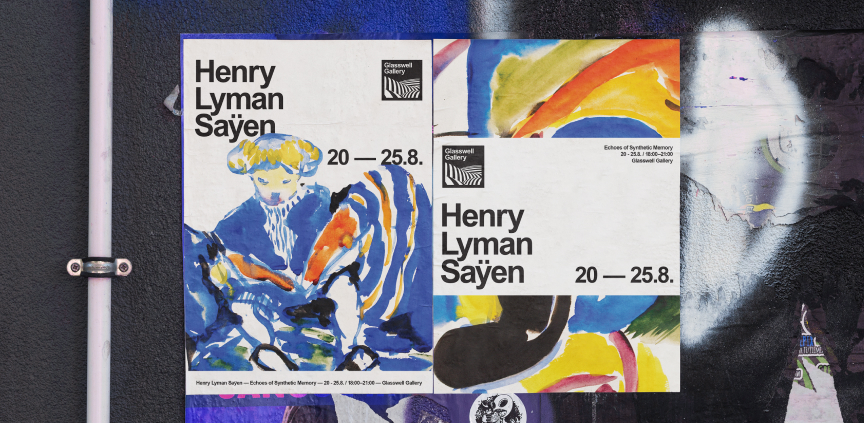
Frequently asked questions about flyers
1. What’s the best flyer size or format?
A5 is most common for flyer printing – practical, simple, and easy to distribute. Need more space? Choose A4. Want something slimmer? DL (one-third A4) is perfect for an elegant layout. In short: pick format based on content volume and how you plan to distribute it.
2. Which software should I use to design flyers?
If you’re new to design but want to do it yourself, Canva is a quick, simple option. For a more professional approach, try Illustrator or Photoshop. For simpler corporate materials, even Word or Publisher can do the job. The key is visual clarity, legibility, and proper print setup.
Don’t want to spend time on artwork? Hand it off to our experts at Expresta. Artwork checks and minor edits of up to 30 minutes are free. For more complex designs, you can order professional graphic design work.
3. What paper is best for flyer printing?
Most often coated stock (matte or gloss). 135 gsm suits large runs – it is lightweight and cost-effective. For a more premium feel, choose 170–250 gsm. For small runs, consider surface finishing to give it a professional look. We also offer FSC-certified paper for sustainability-minded brands.


